
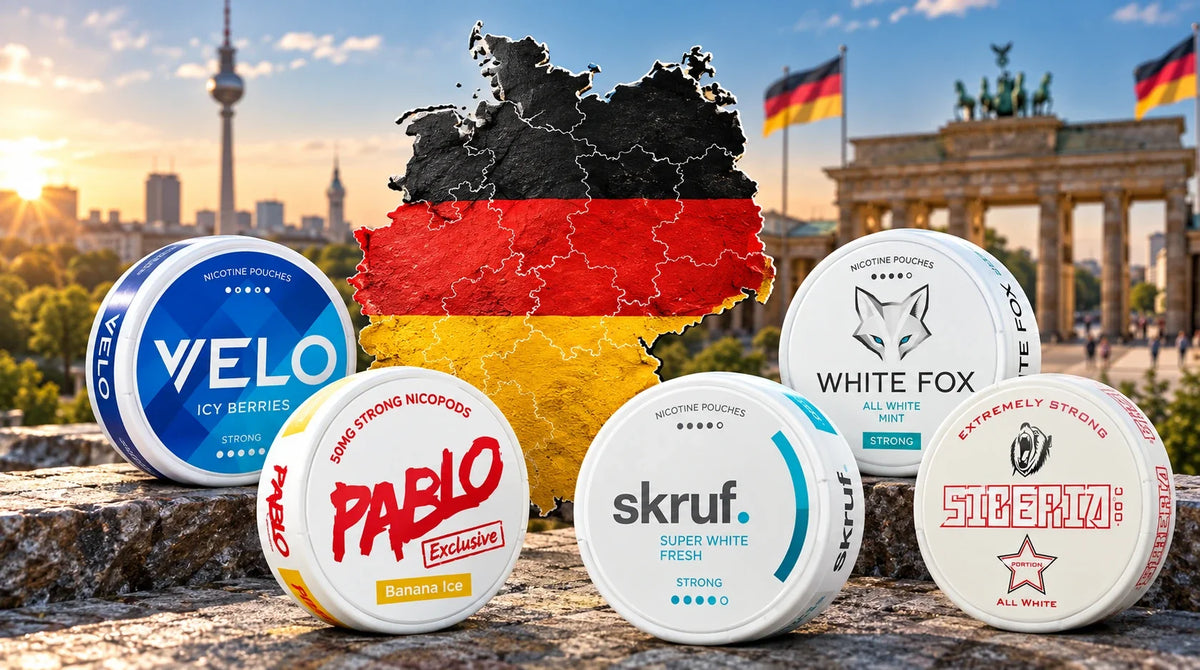
Nicotine pouches, often searched as white snus, nicotine bags, or tobacco-free snus, have grown rapidly across Europe. However, when it comes to marketing nicotine pouches and running nicotine pouch advertising, the rules differ widely by country and can be much stricter than people expect.
This guide explains what is generally allowed and what is commonly restricted when advertising nicotine pouches in Germany, Austria, and Switzerland, with a focus on online marketing, SEO, and social media platforms such as Snapchat, Facebook, and Instagram.
Germany: Very Strict Rules (Information Only)
Germany is widely considered one of the strictest markets in Europe for nicotine-related marketing. Even though nicotine pouches are tobacco-free, they are still treated as a sensitive, regulated category in advertising terms.
What is typically restricted in Germany
- Paid ads for nicotine pouches on Facebook
- Sponsored content and promotions on Instagram
- Video ads and promotion on Snapchat
- Influencer marketing and paid partnerships
- Public advertising such as billboards and outdoor campaigns
- Paid search ads and broad “push” marketing for nicotine products
A practical rule of thumb in Germany is: information is allowed, promotion is not. That means your messaging should stay factual and avoid lifestyle appeal.
What is commonly considered safer in Germany
- An age-gated (18+) webshop
- Neutral product descriptions focused on facts (format, strength, ingredients)
- Informational SEO articles about nicotine pouches and white snus
- Non-promotional content that helps users understand products
Austria: Similar to Germany, Slightly More Flexible
Austria also treats nicotine pouches as a tightly regulated product category. In practice, Austria can feel slightly more flexible than Germany, but the safest approach is still to treat nicotine pouch marketing as information-led, not promotional.
What is typically restricted in Austria
- Mass-market nicotine pouch advertising
- Paid social media marketing on Snapchat, Facebook, and Instagram
- Influencer marketing for nicotine pouches
- Health, wellness, or harm-reduction claims
What is often acceptable with caution
- Age-verified (18+) online store access
- SEO content written in a neutral, informational tone
- Product pages that focus on factual product data
- Email communication to existing adult customers (where compliant)
In Austria, you typically have more room for an informational presence, but aggressive promotion remains high risk.
Switzerland: More Flexible, But Getting Stricter
Switzerland is not part of the EU, and its regulatory environment can be more fragmented. Historically, Switzerland has been more flexible than Germany and Austria, but rules around tobacco and nicotine-related products have tightened in recent years.
What is often possible in Switzerland
- Online sales of nicotine pouches
- Website product information and educational content
- SEO content about nicotine pouches, white snus, and tobacco-free snus
What remains risky in Switzerland
- Youth exposure and youth-appealing marketing
- Influencer marketing and viral social content
- Paid social media ads on platforms like Snapchat, Facebook, and Instagram
Switzerland is often the most flexible of the three markets, but the direction is clear: more restrictions over time, especially when youth exposure is a concern.
Social Media Platforms: High Risk Across All Three Markets
Across Germany, Austria, and Switzerland, paid social advertising for nicotine pouches is one of the most common compliance risks. Platforms such as Snapchat, Facebook, and Instagram are typically considered youth-exposed environments and are therefore frequently avoided by compliant nicotine pouch retailers.
In many cases, risk increases significantly when you use:
- Boosted posts
- Paid ads targeted to broad audiences
- Influencer campaigns or affiliate-style promotion
- Lifestyle messaging or “trend” positioning
The Safest Marketing Strategy for Nicotine Pouches
If you operate in Germany, Austria, or Switzerland, the most sustainable approach is usually built around SEO and compliance-first content:
- Use informational SEO instead of paid ads
- Implement 18+ age verification
- Write factual product pages (strength, format, flavor profile, origin)
- Avoid lifestyle claims and youth-oriented branding
- Let customers find you via organic search instead of “push” promotion
Final Takeaway
- Germany: strictest, information-led only
- Austria: restrictive, slightly more flexible but still cautious
- Switzerland: most flexible, but tightening over time
In all three markets, paid advertising for nicotine pouches on Snapchat, Facebook, and Instagram is high risk. For most compliant businesses, the long-term path is SEO-driven, factual content with clear 18+ age restrictions.
Share:
Why Nicotine Pouches Are Not Sold on Amazon (And What You Can Buy Instead)
How to Quit Nicotine Pouches – A Day by Day Overview