

Nicotine pouches and white snus have become increasingly popular as a tobacco free alternative to traditional snus and cigarettes. While they do not contain tobacco or produce smoke, they still deliver nicotine, which is a well known addictive substance. Understanding how nicotine pouches can lead to dependence is important for both new and experienced users.
What makes nicotine addictive
Nicotine acts directly on the brain’s reward system. When consumed, it triggers the release of dopamine, a neurotransmitter associated with pleasure, motivation, and reinforcement. Over time, the brain begins to associate nicotine intake with reward, which increases the urge to repeat the behavior.
Key points to understand:
- Nicotine itself is the main addictive component
- The delivery method does not remove addiction risk
- Repeated exposure strengthens dependency over time
Nicotine pouches are tobacco free, but not nicotine free
Nicotine pouches do not contain tobacco. Instead, they consist of nicotine combined with plant based fibers and flavorings. This removes exposure to tobacco related substances but does not eliminate the addictive properties of nicotine.
Because nicotine pouches are:
- discreet and smoke free
- easy to use throughout the day
- available in a wide range of strengths
some users may consume them more frequently than intended, increasing overall nicotine intake.
Popular nicotine pouch brands and strength variation
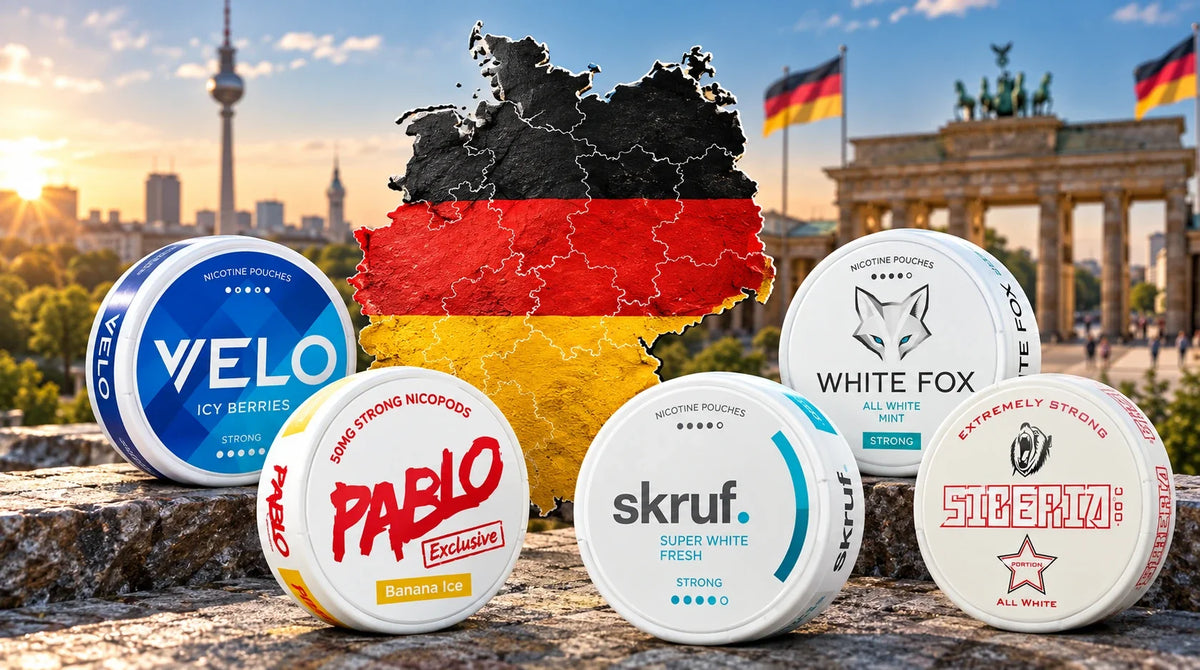
Well known nicotine pouch brands such as CUBA, VELO, ZYN, and PABLO offer products across a broad range of nicotine strengths and flavor profiles.
This wide variation means that:
- users can unintentionally increase nicotine strength over time
- stronger products may accelerate dependence
- frequent use of high strength pouches increases withdrawal intensity
Being aware of strength levels and daily usage is an important part of managing nicotine intake.
Physical and psychological dependence
Dependence on nicotine pouches usually develops in two ways.
Physical dependence occurs when the body adapts to regular nicotine intake. Reduced or stopped use can then trigger withdrawal symptoms.
Psychological or habitual dependence is tied to routines, flavors, and the familiar sensation under the lip. Many users find that breaking the habit itself can be just as challenging as reducing nicotine.
Common habit triggers include:
- specific times of day
- stress or work related situations
- social routines
Common withdrawal symptoms
When reducing or stopping nicotine pouch and snus use, temporary withdrawal symptoms are common, especially in the early phase.
Typical symptoms may include:
- strong nicotine cravings
- irritability or restlessness
- headaches
- fatigue
- reduced concentration
For most users, symptoms peak between day two and day five and then gradually improve.
How strength and usage patterns affect addiction
The risk of developing a stronger dependence increases with:
- higher nicotine strengths
- frequent daily use
- gradual increases in consumption
Some users unintentionally escalate both strength and frequency over time, making it harder to cut back later.
Reducing dependence or quitting
People choose different strategies when they want to reduce nicotine use. Common approaches include:
- lowering nicotine strength step by step
- switching to nicotine free alternatives
- stopping use completely
There is no single correct method, but many users report that cravings become more manageable after the first week.
Making informed choices
Nicotine pouches and snus are not risk free and should not be viewed as harmless. However, understanding how nicotine addiction works makes it easier to make informed decisions.
Being aware of:
- nicotine strength
- daily consumption
- habitual patterns
can help users avoid unwanted dependence or successfully reduce nicotine use over time.
Share:
How to Quit Nicotine Pouches – A Day by Day Overview
Nicotine Pouches on Reddit: What Users Really Say About White Snus